

Recovery Through Movement with Alan
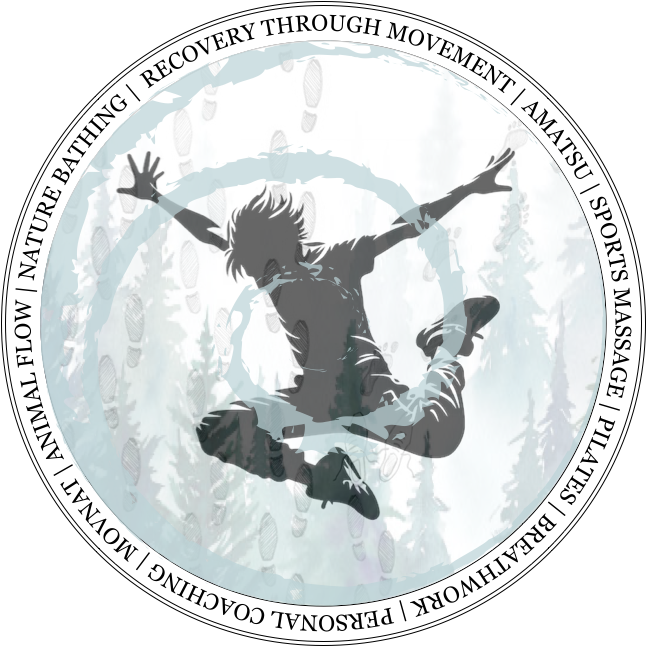
Hi everyone, I'm Alan Johnston. I am a multi-discipline physical therapist, pilates and fitness instructor, personal coach, MovNat certified trainer, and natural movement enthusiast. I also happen to be a terrible singer and an even worse dancer—and I wear that proudly.
Movement has always been part of my life. It started in childhood with a gymnastics class where I discovered the incredible things the body can do (becoming a ninja felt entirely possible back then). That curiosity carried me through running, swimming, rock climbing, horse riding, field and court sports, martial arts and any other chance to move and grow. But along the way, pushing through pain and ignoring recovery taught me some hard lessons that shaped not just my body, but my outlook.
Those experiences led me to explore movement more holistically. I deepened my understanding of the body and mind connection through biomechanics, yoga, pilates, therapy, calisthenics, coaching, meditation, natural movement, feldenkrais, somatic movement, and more, with a continued goal of nurturing both resilience and presence.
Now, older and (hopefully) a little wiser, with four incredible children of my own, I see movement in a softer, more meaningful light. It's how I age with grace, remain independent, and stay present and playful with my kids. My best memories are wrapped in moments of shared motion; whether it's balancing across a fallen tree, play wrestling or dancing badly around the kitchen together.
With over 15 years of experience and international qualifications across Amatsu Therapy, Sports Therapy, Pilates, Massage, Nutrition, Reflexology, Aromatherapy, and Natural Movement Disciplines, I offer what I've learned with a humble heart.
Whether you're recovering, rebuilding, or simply beginning—wherever you are on your journey, I'm here to work alongside you, move with you, and support you in rediscovering your own rhythm.
Qualifications you can trust!
Diploma Amatsu Natural Therapy Setai
Diploma Amatsu Natural Therapy Anma
ITEC Diploma in Pilates Teaching
ITEC Diploma in Diet and Nutritional Therapy
FETAC Diploma in Holistic Health Studies
ITEC Diploma in Sports Massage
ITEC Diploma in Aromatherapy
Yogbody Breathwork Coach


ITEC Diploma in Reflexology
ITEC Diploma in Holistic Massage
ITEC Diploma in Anatomy & Physiology
ITEC Diploma in Professional Conduct & Business Awareness
MovNat Instructor Level 2
Animal Flow Instructor Level 1
Treeming Forest Bathing Instructor
Diploma in Personal, Executive & Leadership Coaching

Amatsu Japanese Osteopathy
Amatsu takes a unique approach to diagnosing, treating, and preventing physical ailments, injuries and conditions of the body. It looks at the Gait mechanism of the body: how the body moves in walking, how each part interacts with the next, and establishes inefficiencies in movement, posture and balance. Once inefficiencies and injuries in the body are identified, varying techniques are used to release, restore or repair the malfunction, poor neurological pattern, postural misalignment or any other condition causing ill health. In its holistic approach to the body, Amatsu looks at all factors affecting the body: emotional, chemical, environmental, electrical and structural and their interdependency on each other. It considers that if any one of these factors is affected, then by default all can be affected. A successful treatment will bring balance back into the body and mind, and will rehabilitate and resolve a large number of internal and external problems.

-
A treatment can last anything up to an hour. Each treatment begins with a brief consultation to discuss overall general health and symptoms as well as any other factors which may be influencing the condition. During the consultation notes are taken for historical reference. Following the consultation, a physical assessment is done through observation of the client’s walking pattern, followed by a brief structural analysis standing or lying depending on the condition. The treatment will vary depending on the condition, but will generally involve a mix of pressure point work, mobilisation of joints, massage and general palpation. All work is done through the clothing, so it is recommended that comfortable relaxed clothing is worn. Occasionally oil may be used with towels as with regular massage techniques. A few minutes will be taken at the end to discuss any changes in symptoms, pain etc. And a quick repeat gait assessment done, concluding the treatment.
-
A significant number of people notice a difference immediately after treatment, while the effects will not be felt by others for a few days. Usually clients will feel more freedom to move and notice their bodies standing and moving differently as though their bodies are more upright. Treatments can sometimes cause people to feel relaxed and/or sleepy. Achiness is a common symptom of the treatment as the body is letting go of old injuries. In order to counteract this, you should drink large amounts of water and stay mobile. This is how your body is reacting to the changes it has just undergone and is perfectly normal. In order for the corrections to fully integrate I recommend that you walk for a few minutes after your treatment.
-
Relief from musculoskeletal pain and tension
Improved posture and alignment
Enhanced flexibility and range of motion
Stress reduction and relaxation
Increased energy and vitality
Support for emotional well-being
Improved overall health and resilience
Breathwork
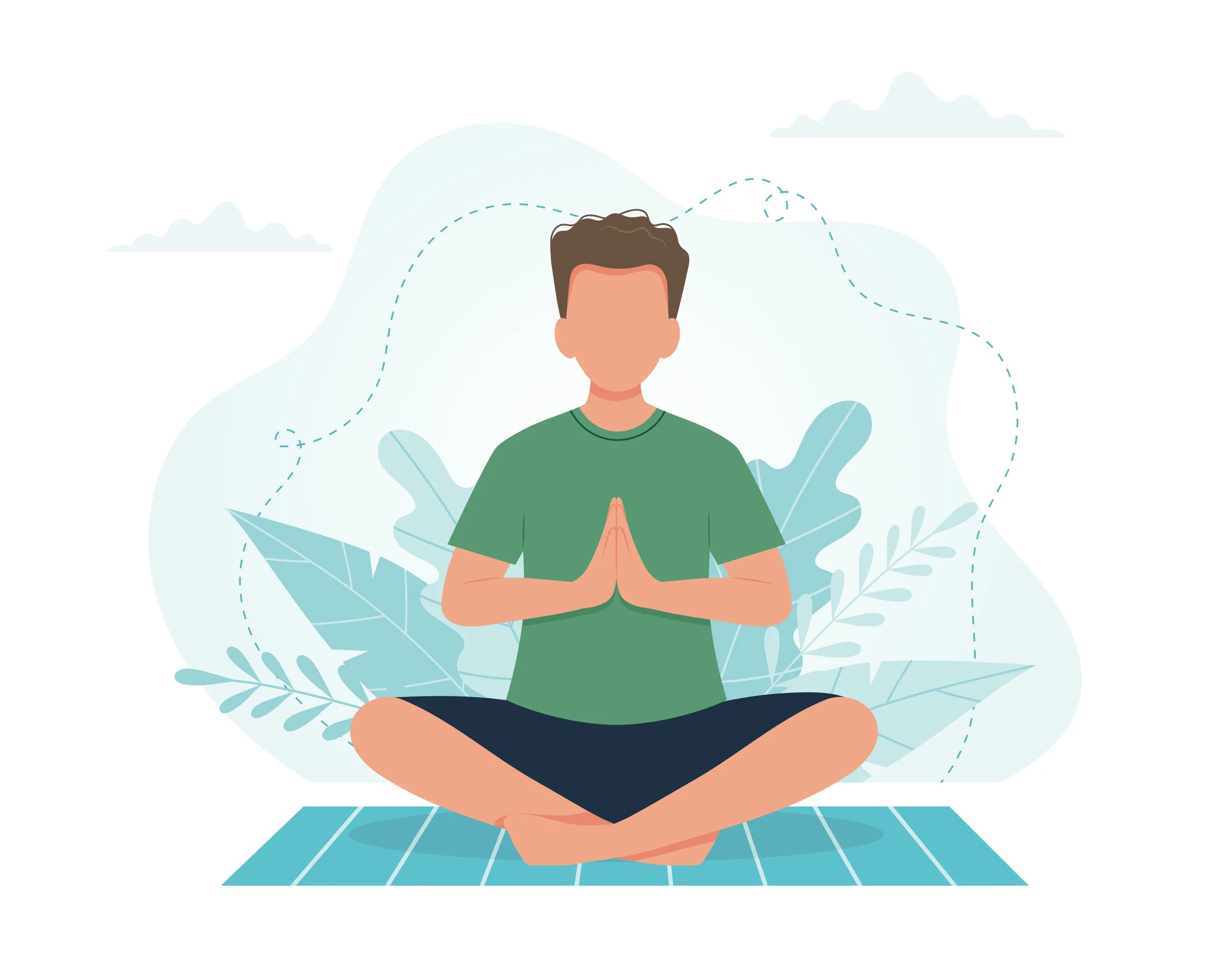
We follow a science-based approach to breathing exercises designed to regulate the nervous system, improve sleep, reduce stress, and boost energy. Unlike traditional yoga pranayama, we simplify breath training into accessible techniques that focus on carbon dioxide regulation, slow breathing for increased oxygen absorption, and nervous system balance.
This method emphasises practical results in minutes, making it suitable for all ages and health levels. It’s taught through guided in-person sessions and online courses, with a focus on clarity, effectiveness, and ease of application.
Our Breathwork incorporates three categories of breathwork designed to regulate the nervous system and support emotional well-being:
-
A balanced breathing practice (4–6 breaths per minute) that stabilises mood and energy. It’s safe to use anytime, even while driving or exercising.
-
A slow, calming breath (<4 breaths per minute) that activates the parasympathetic system. Ideal before sleep or after meals, practiced only while seated or lying down.
-
A rapid breathing technique (>20 breaths per minute) that energizes and stimulates. Best used in the morning or before physical activity, practiced briefly and with care.